
Adhesive selection, explained
Practical notes on carrier choice, adhesive chemistry, edge lifting, low-odour requirements and converting — written for buyers and engineers, not for search engines.
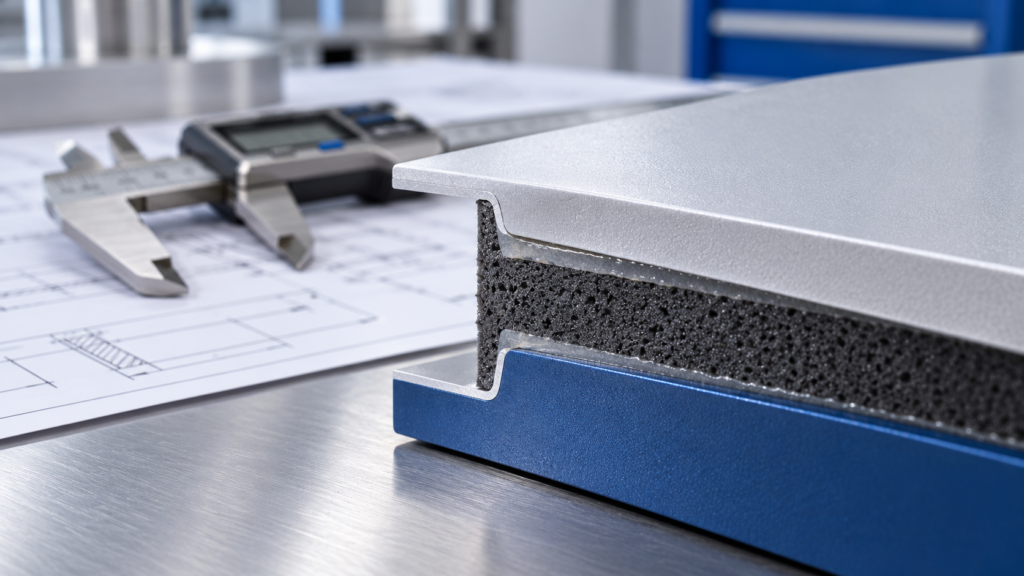
3M VHB Tape Alternatives: What Must Match Before Substituting a Grade
Screen a 3M VHB tape alternative against the actual substrates, joint loads, service conditions and acceptance test before approving a substitute grade.
Read →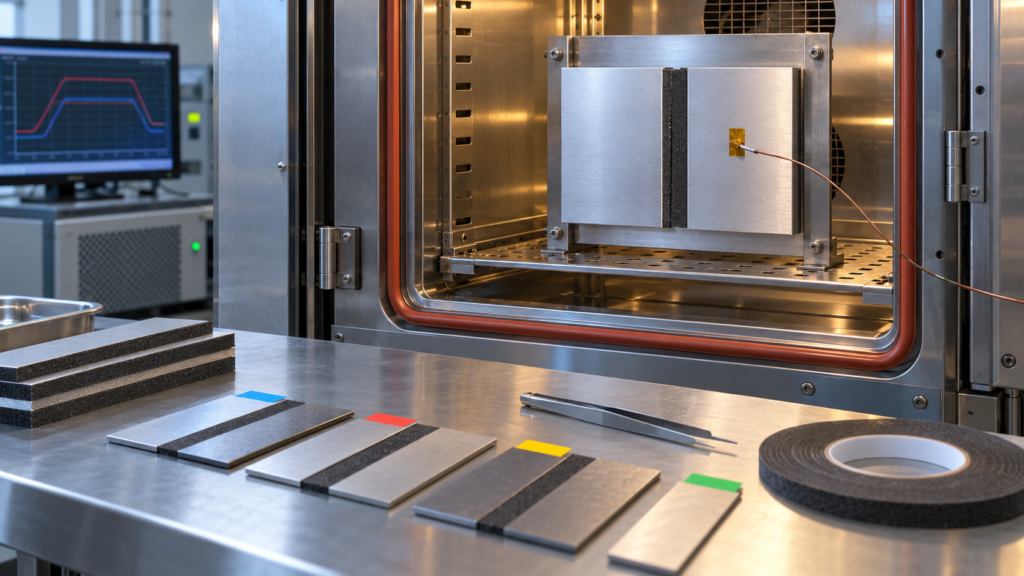
What PE Foam Tape Temperature Ratings Actually Mean
Read PE foam tape temperature data correctly: bonding temperature, short excursions and long-term loaded service differ.
Read →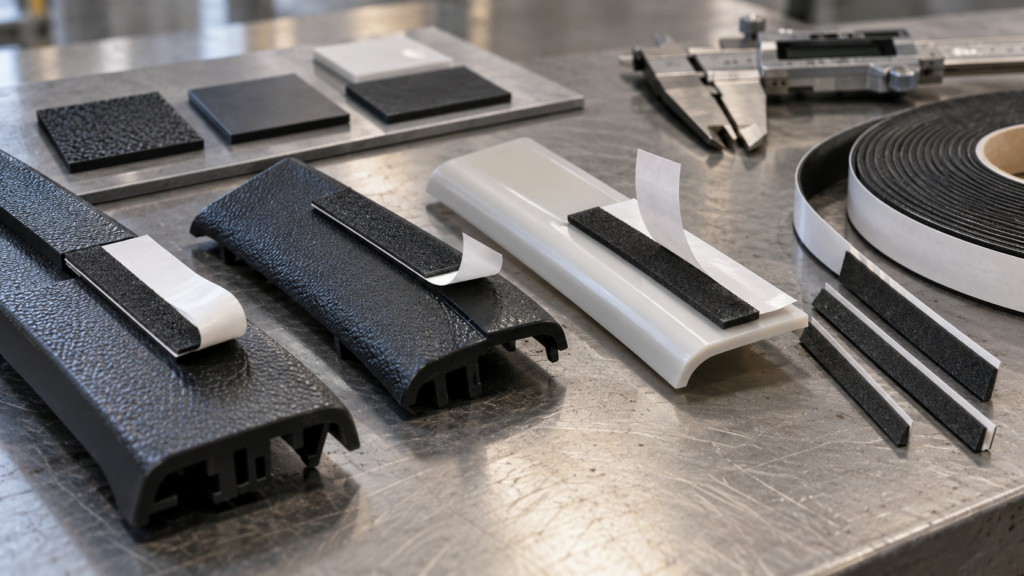
Choosing PE Foam Tape for PP and PE Plastic Trims
Choose PE foam tape for PP or PE trims by testing the adhesive on actual molded parts and controlling application conditions.
Read →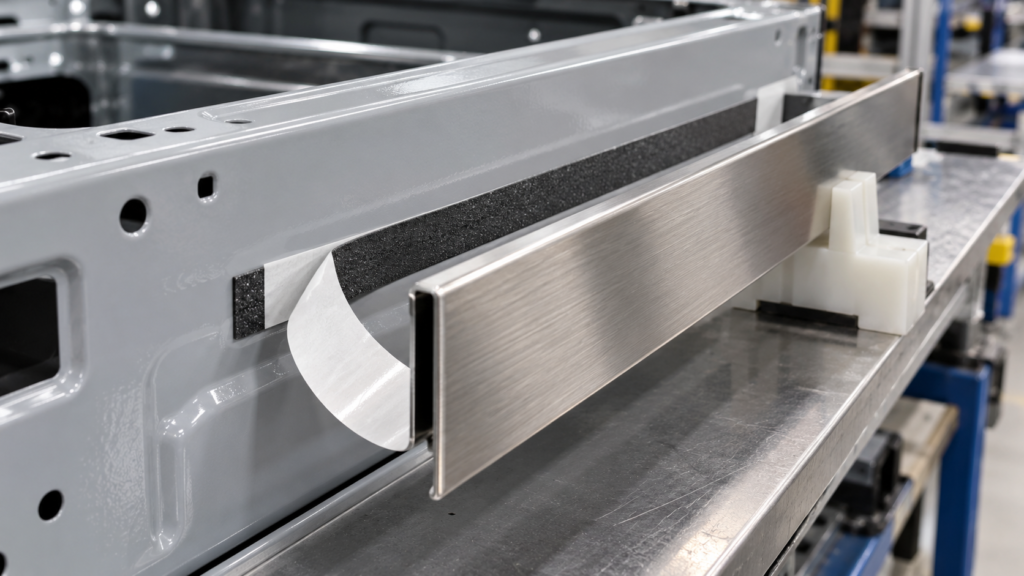
Can PE Foam Mounting Tape Hold an Appliance Trim?
Decide whether PE foam mounting tape can hold appliance trim by load path, surface finish and retention testing.
Read →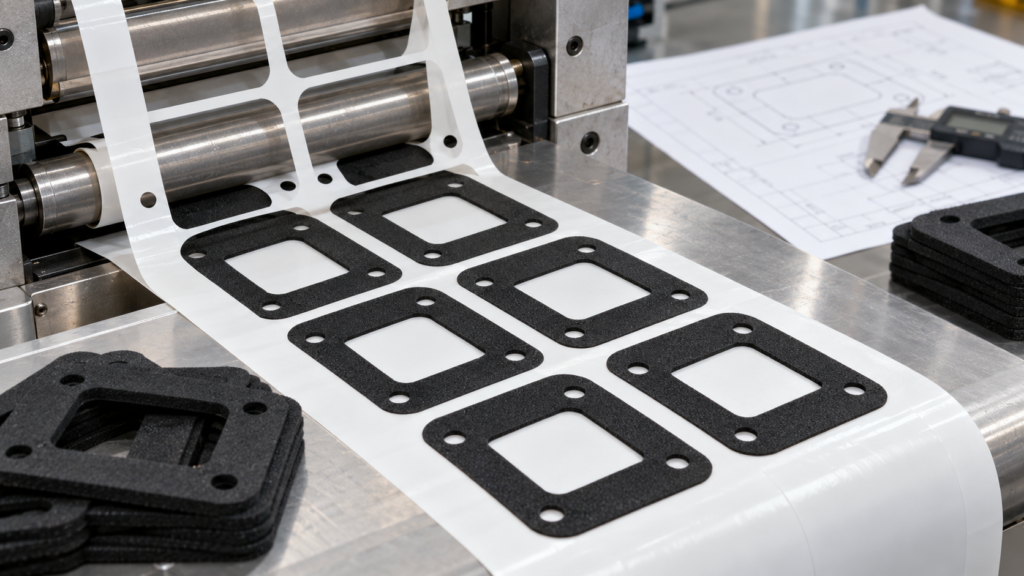
How to Specify Die-Cut PE Foam Gaskets for OEM Assembly
Specify die-cut PE foam gaskets by drawing, liner, web direction and production-speed transfer trials.
Read →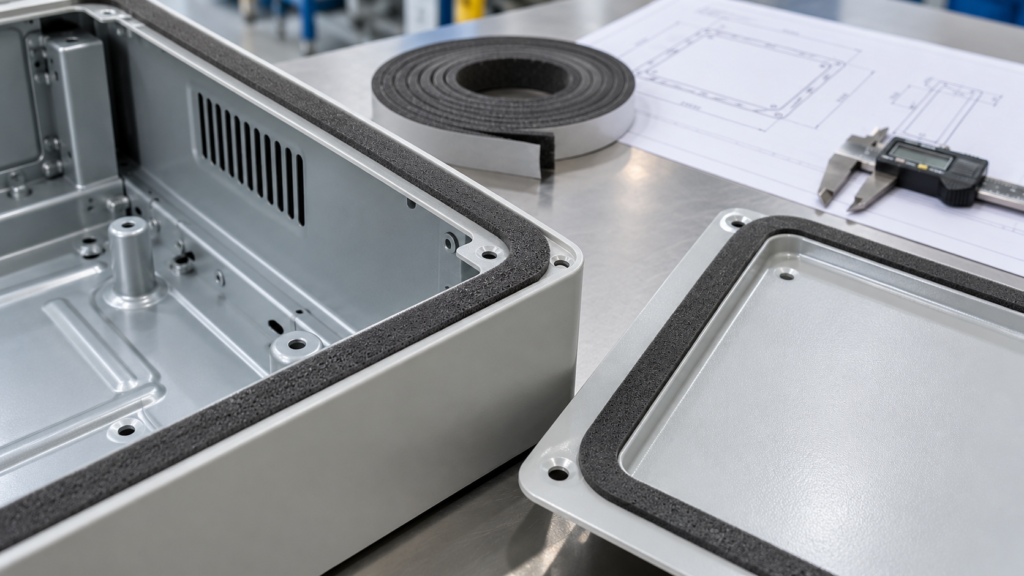
Can PE Foam Tape Seal an Appliance Panel Joint?
Screen PE foam tape for appliance panel sealing by compression, gap tolerance and assembled-joint leakage tests.
Read →
PET Film or Paper Liner for Die-Cut Double Sided Tape?
Choose PET film or paper release liner for die-cut double sided tape by registration, moisture, stripping and application needs.
Read →
Nameplate Tape on Powder-Coated Steel: Contact Area Wins
Nameplate tape on powder-coated steel fails at the coating texture, not the adhesive: how carrier choice, contact area and line pressure decide…
Read →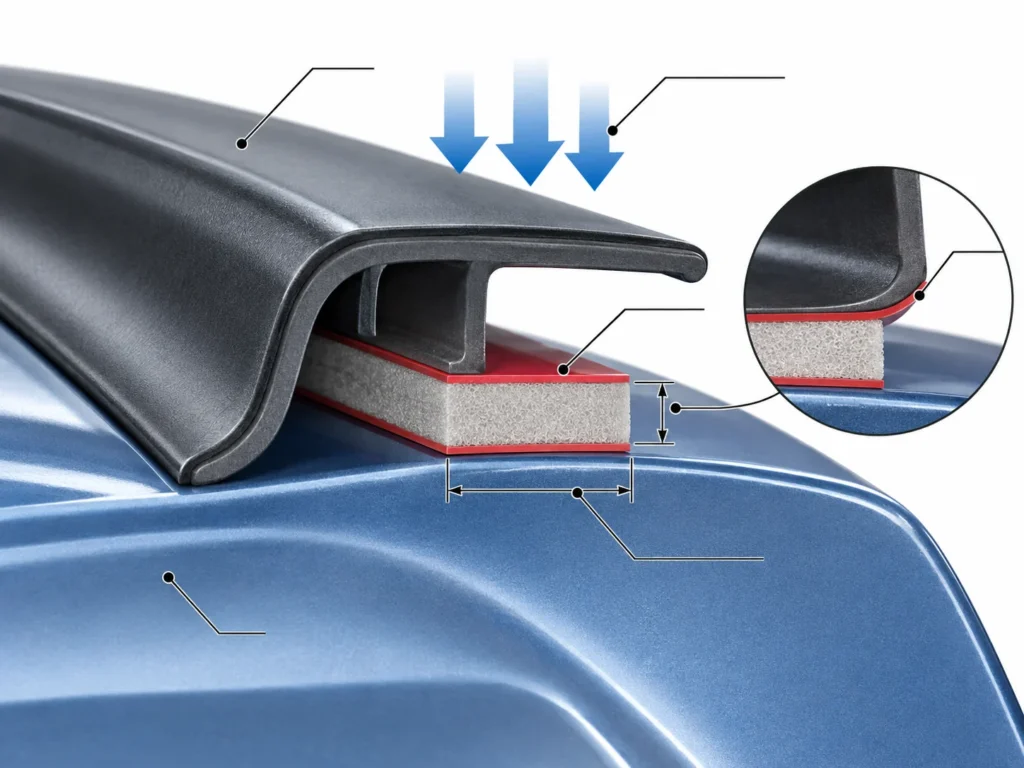
PE Foam Tape Edge Lifting: Diagnose the Joint Before Changing Tape
Diagnose PE foam tape edge lifting by checking the failed face, peel stress and application contact before comparing tapes on representative parts.
Read →
How to Choose PET Double-Sided Tape Thickness
Choose PET double-sided tape thickness by matching the assembly gap, substrate and service temperature to the carrier and adhesive construction.
Read →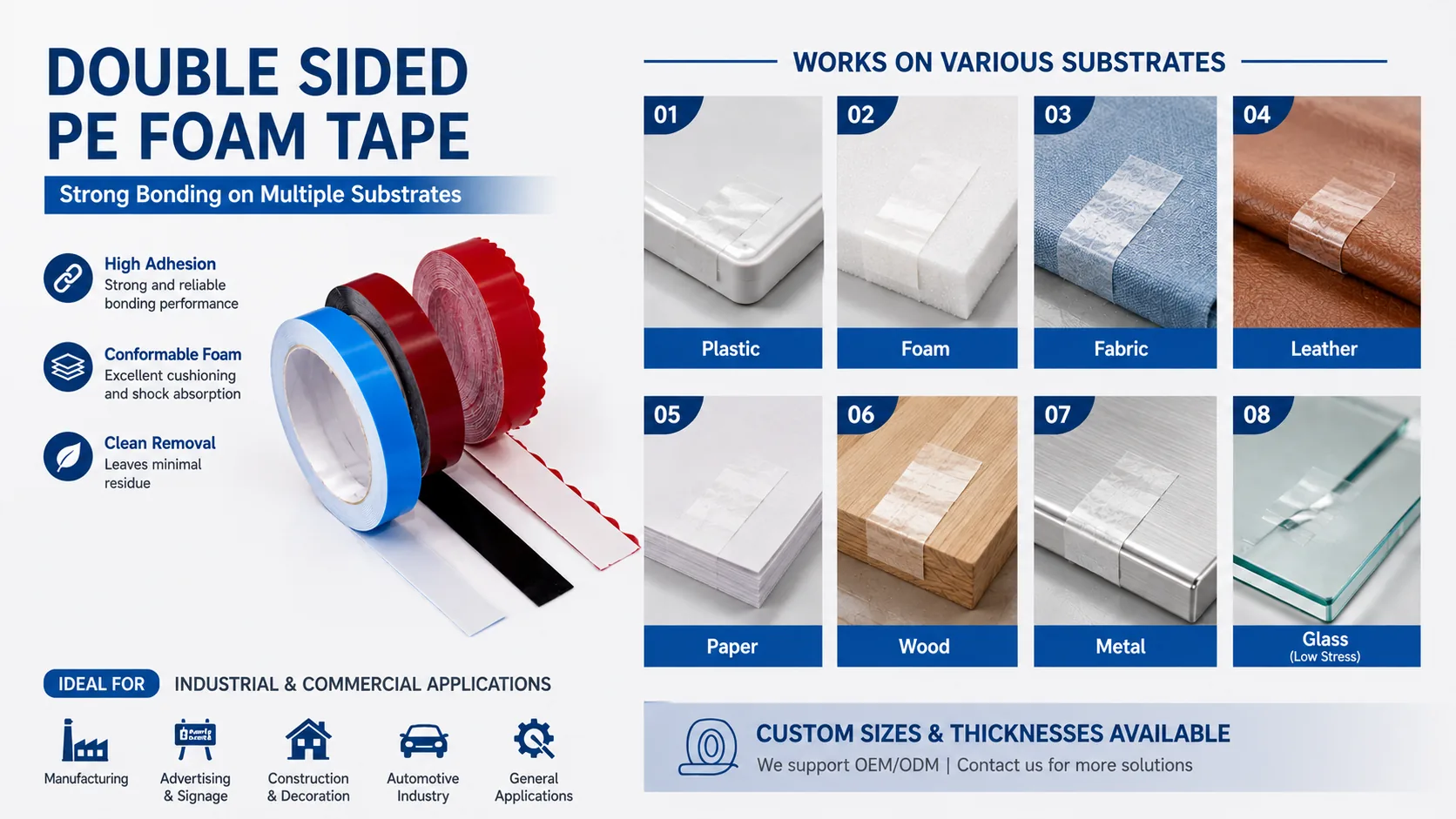
PE Foam Tape Manufacturer & Custom OEM Supplier
Lubandart manufactures double sided PE foam tape to custom specification: closed cell PE foam with acrylic adhesive, thickness 0.5 to 8.0 mm,…
Read →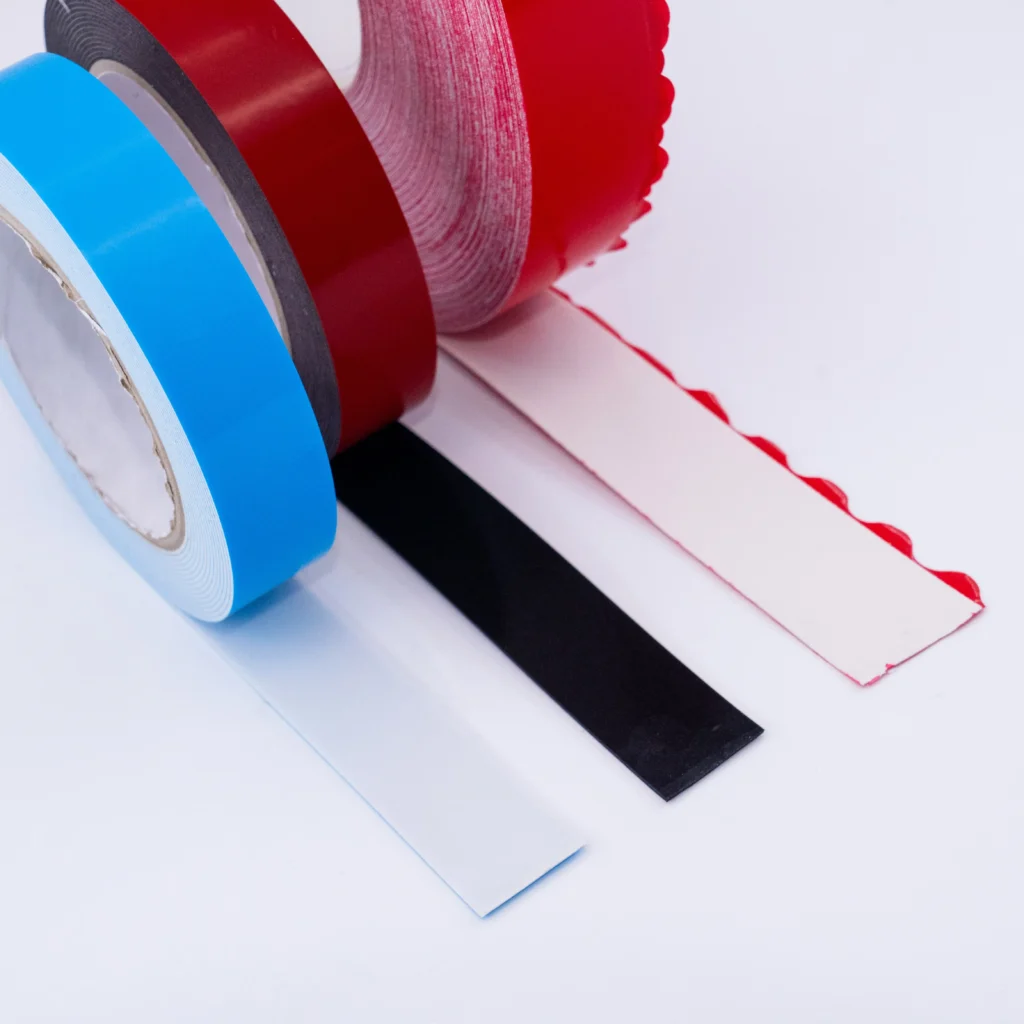
PE Foam Tape vs Acrylic Foam Tape: Which One Fits Your Joint
PE foam tape fills gaps and seals at low cost up to 90 °C; acrylic foam tape makes the structural bond for…
Read →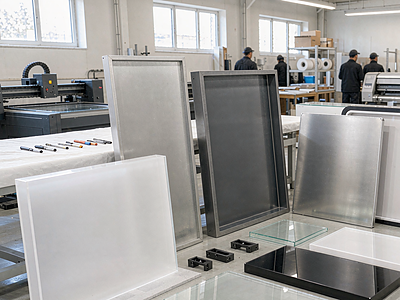
Acrylic Foam Tape for Signage: Technical Selection Guide
A practical selection guide for acrylic foam tape in signage applications.
Read →
Substrate-Free (Transfer) Tape: When to Go Carrier-Less
Ultra-thin bonding for displays, nameplates and optics — plus the handling, shear-strength and converting trade-offs that come with no carrier film.
Read →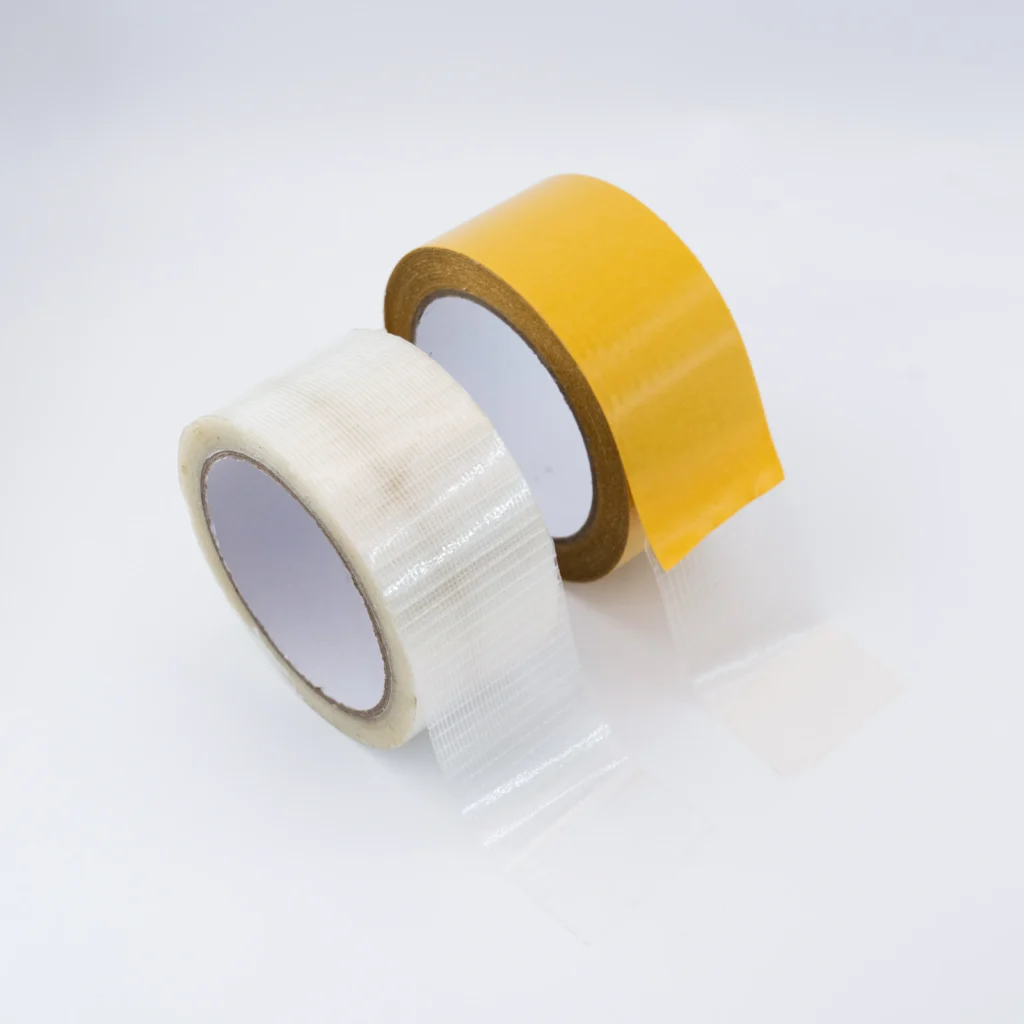
Surface Preparation: The Step That Decides Bond Strength
Cleaning, abrasion, primer and application pressure. Why most field failures trace back to preparation and process control rather than adhesive quality.
Read →
Low-Odor Tape for Automotive Interiors: VOC, Fogging and Cabin Air
What VDA 270 odor grading and fogging tests actually measure — and how to specify low-emission constructions for enclosed cabins and EV…
Read →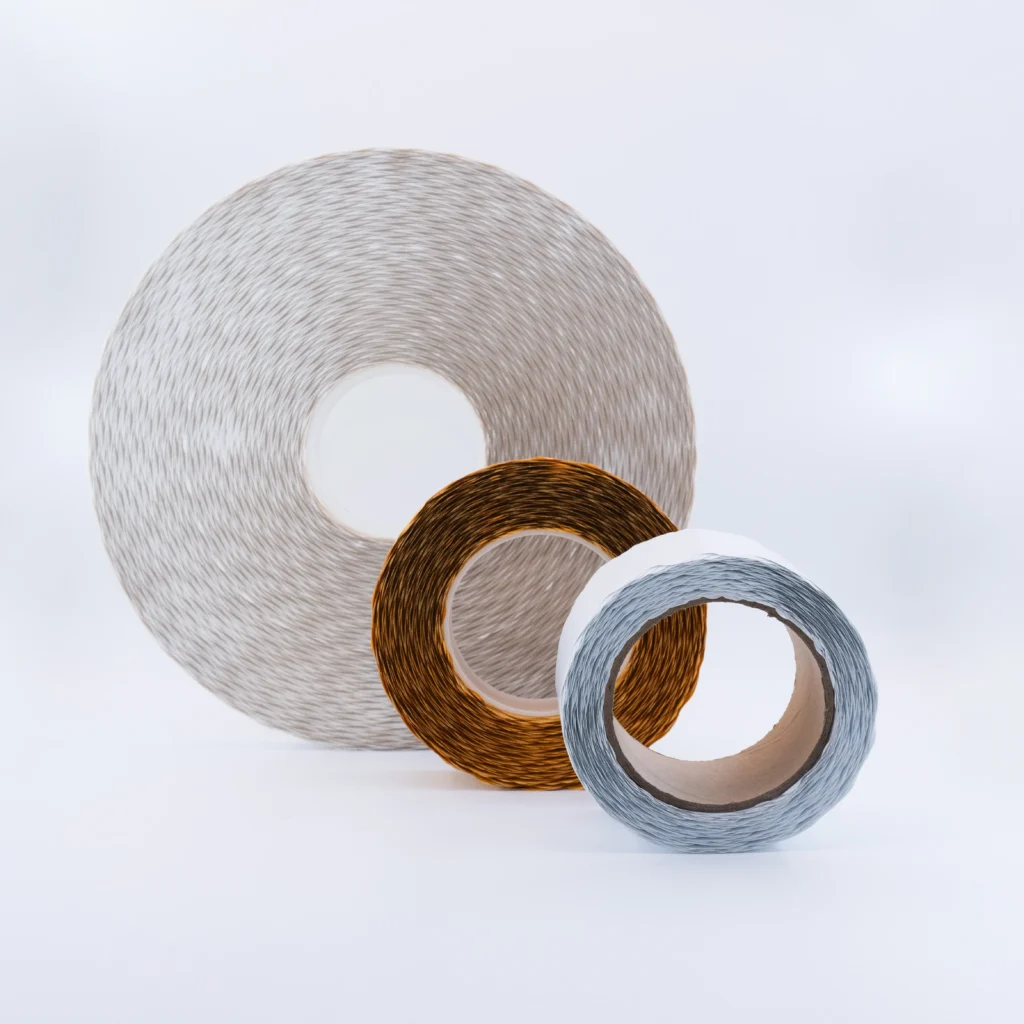
UL94 V-0 Explained: Specifying Flame-Retardant Tape for Battery Packs
Flame ratings, self-extinguishing behaviour and non-drip requirements in EV battery modules, electrical cabinets and other fire-sensitive assemblies.
Read →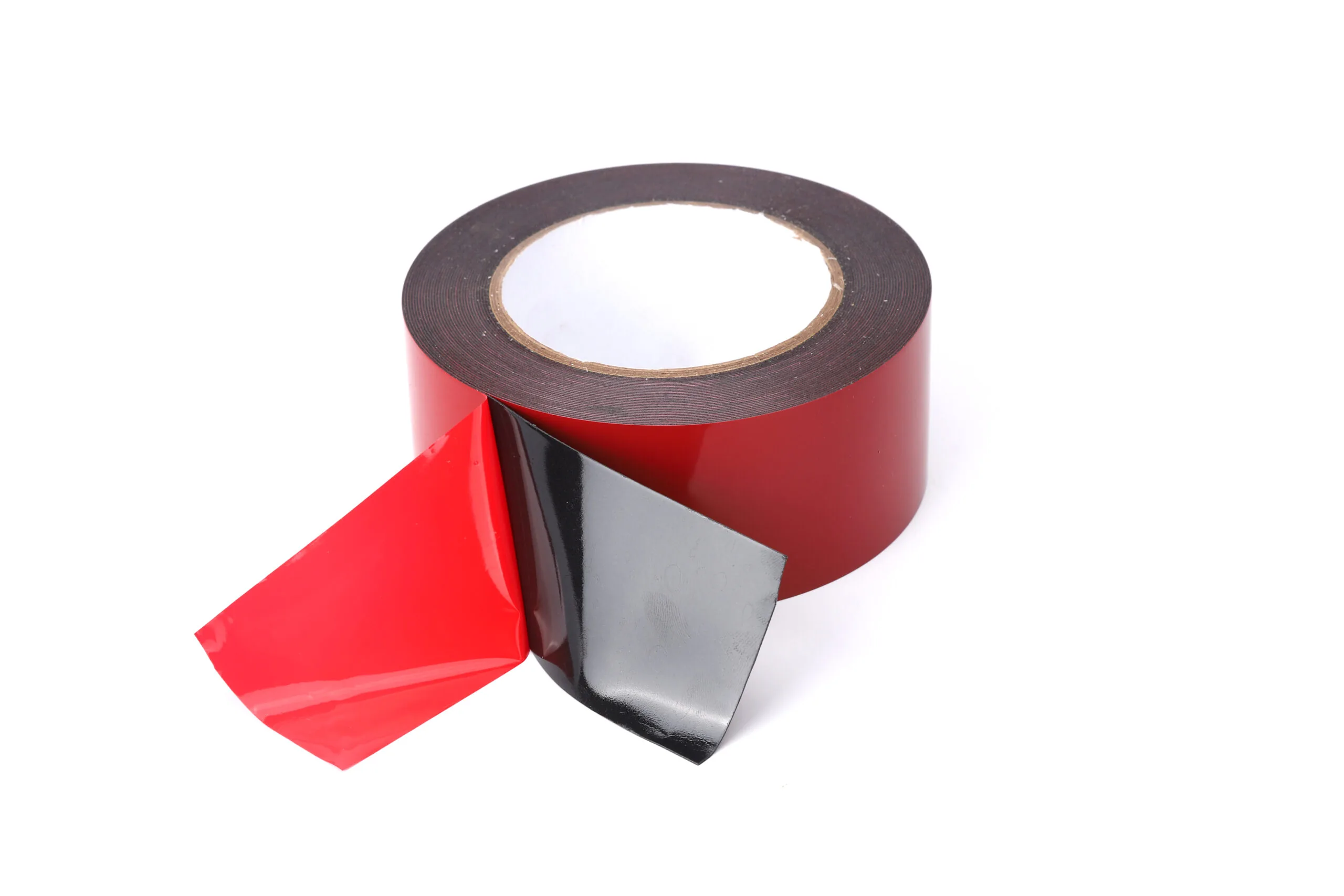
PE Foam vs EVA Foam Tape: Gap Filling, Compression and Recovery
Closed-cell PE for sealing and weatherability; soft EVA for cushioning and shock absorption. How density and thickness affect long-term compression set.
Read →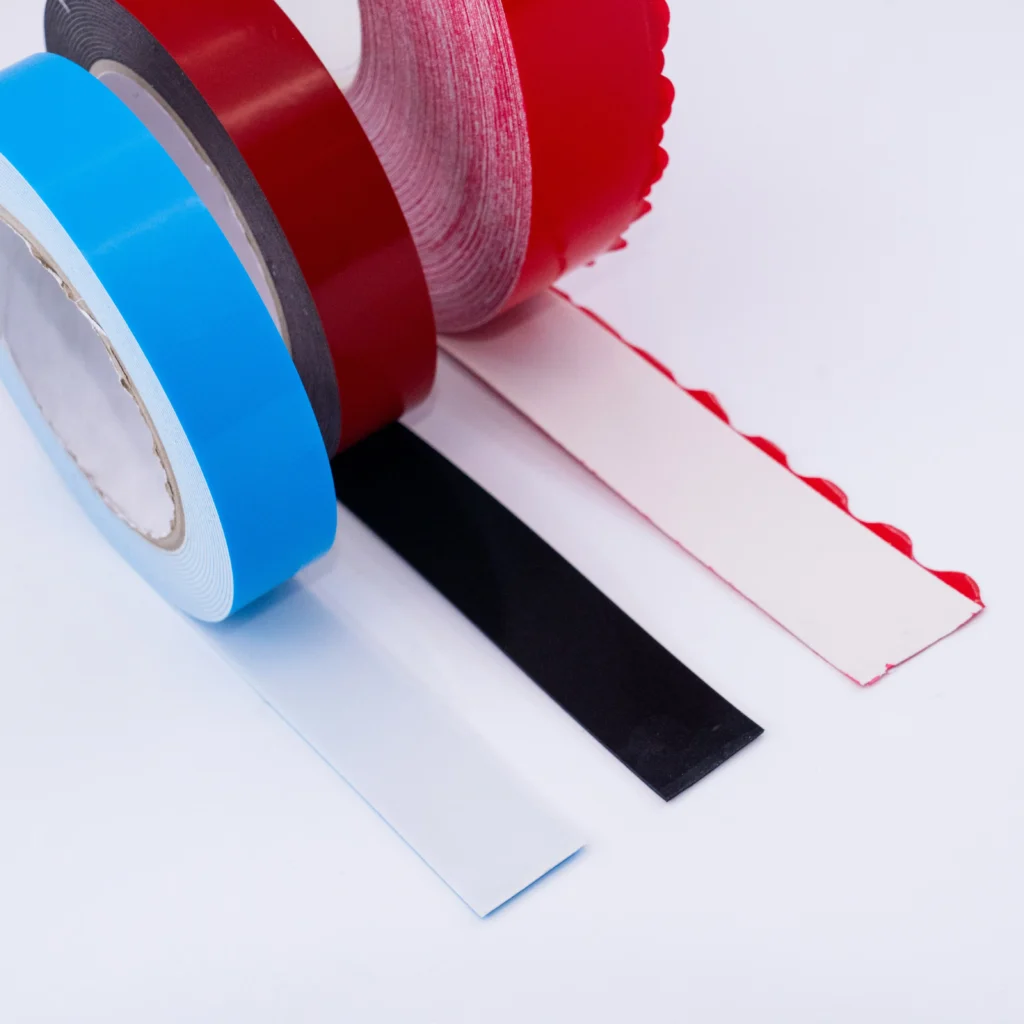
Foam Tape Thickness: How to Size the Gap Without Over-Specifying
Compression ratio, joint design and recovery over time. Why a thicker foam is not automatically a safer choice for uneven or moving…
Read →
Double Sided Tape for LSE Plastics (PP / PE): Why Standard Grades Fail
Low-surface-energy plastics resist wet-out from general-purpose adhesives. What primer, corona treatment and LSE-grade formulations change — and what to test before sign-off.
Read →Not sure which construction fits?
Send the substrate, service temperature and target size. We recommend a construction and send a sample before bulk.
- We review your specOne business day, by a technical contact — not a template reply.
- You get a confirmed constructionCarrier, adhesive, thickness, liner and price for your target quantity.
- Sample before bulkYou approve a physical sample before mass production starts.