
Adhesive selection, explained
Practical notes on carrier choice, adhesive chemistry, edge lifting, low-odour requirements and converting — written for buyers and engineers, not for search engines.
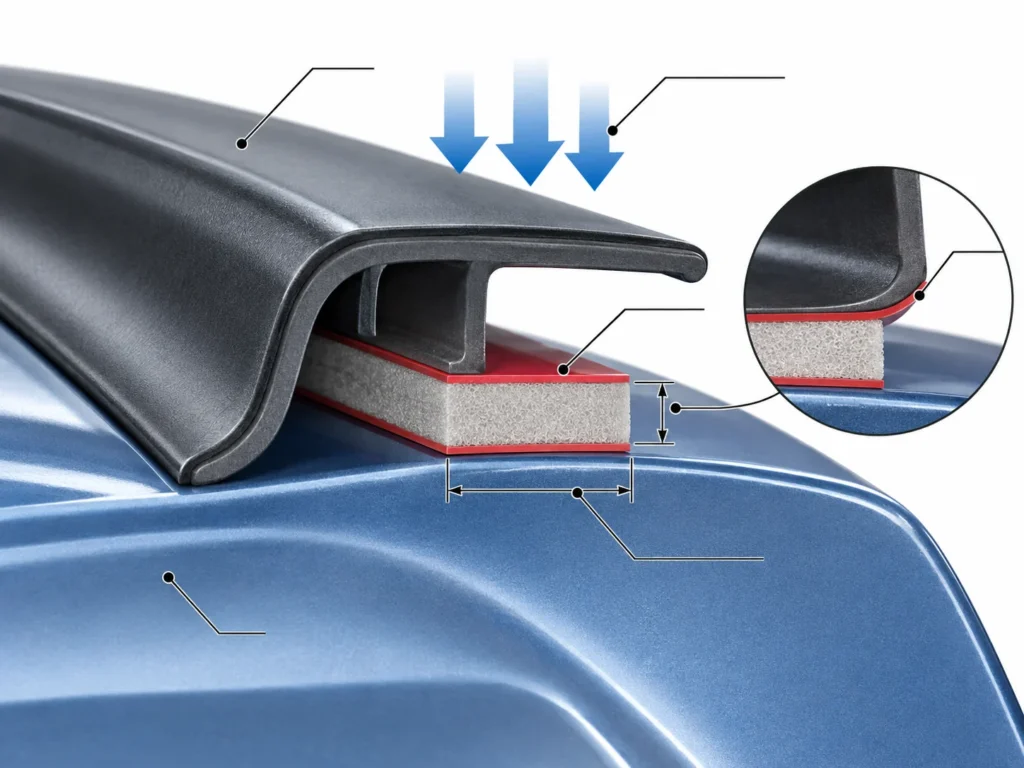
PE Foam Tape Edge Lifting: Diagnose the Joint Before Changing Tape
Diagnose PE foam tape edge lifting by checking the failed face, peel stress and application contact before comparing tapes on representative parts.
Read →
How to Choose PET Double-Sided Tape Thickness
Choose PET double-sided tape thickness by matching the assembly gap, substrate and service temperature to the carrier and adhesive construction.
Read →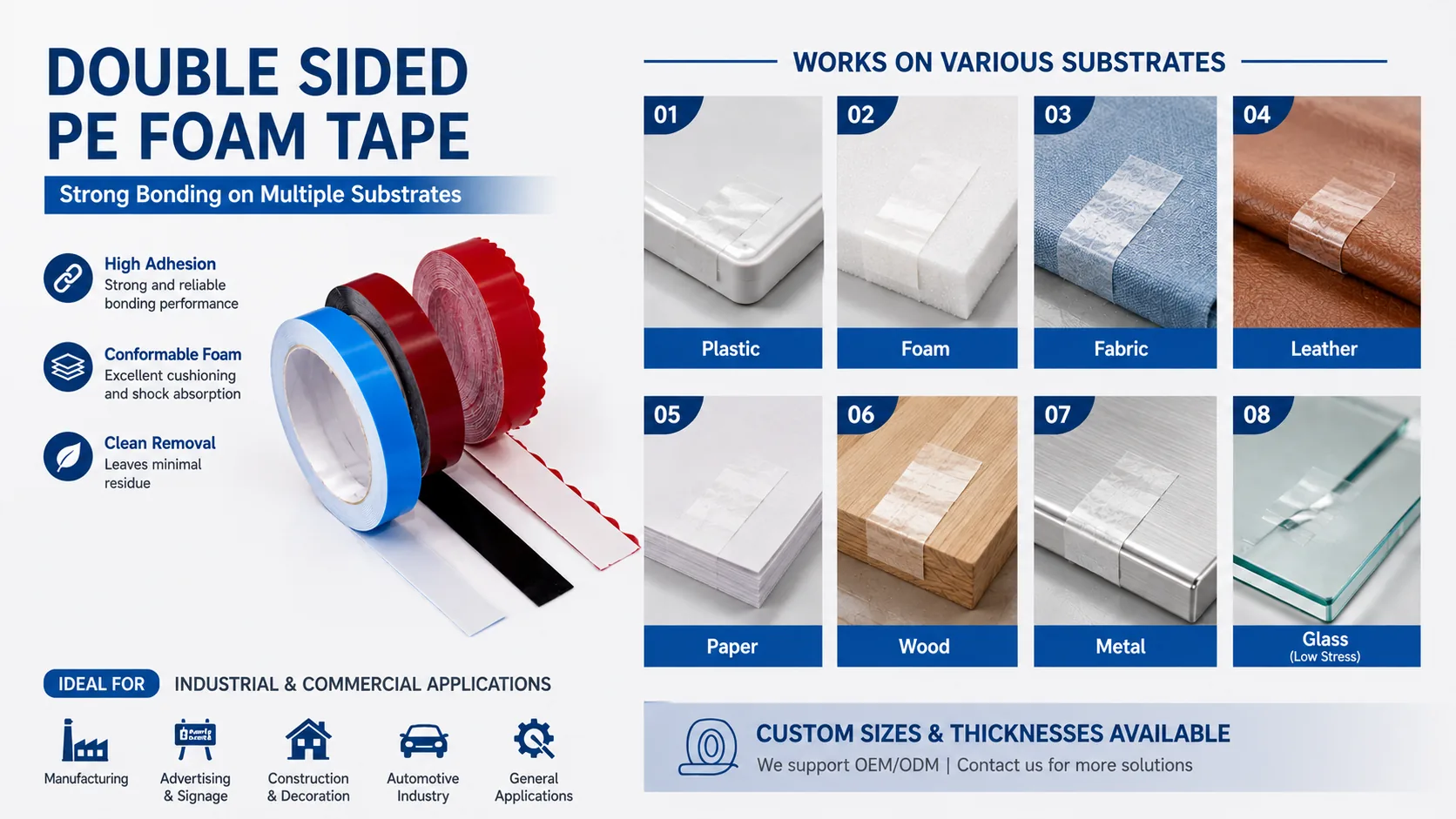
PE Foam Tape Manufacturer & Custom OEM Supplier
Lubandart manufactures double sided PE foam tape to custom specification: closed cell PE foam with acrylic adhesive, thickness 0.5 to 8.0 mm,…
Read →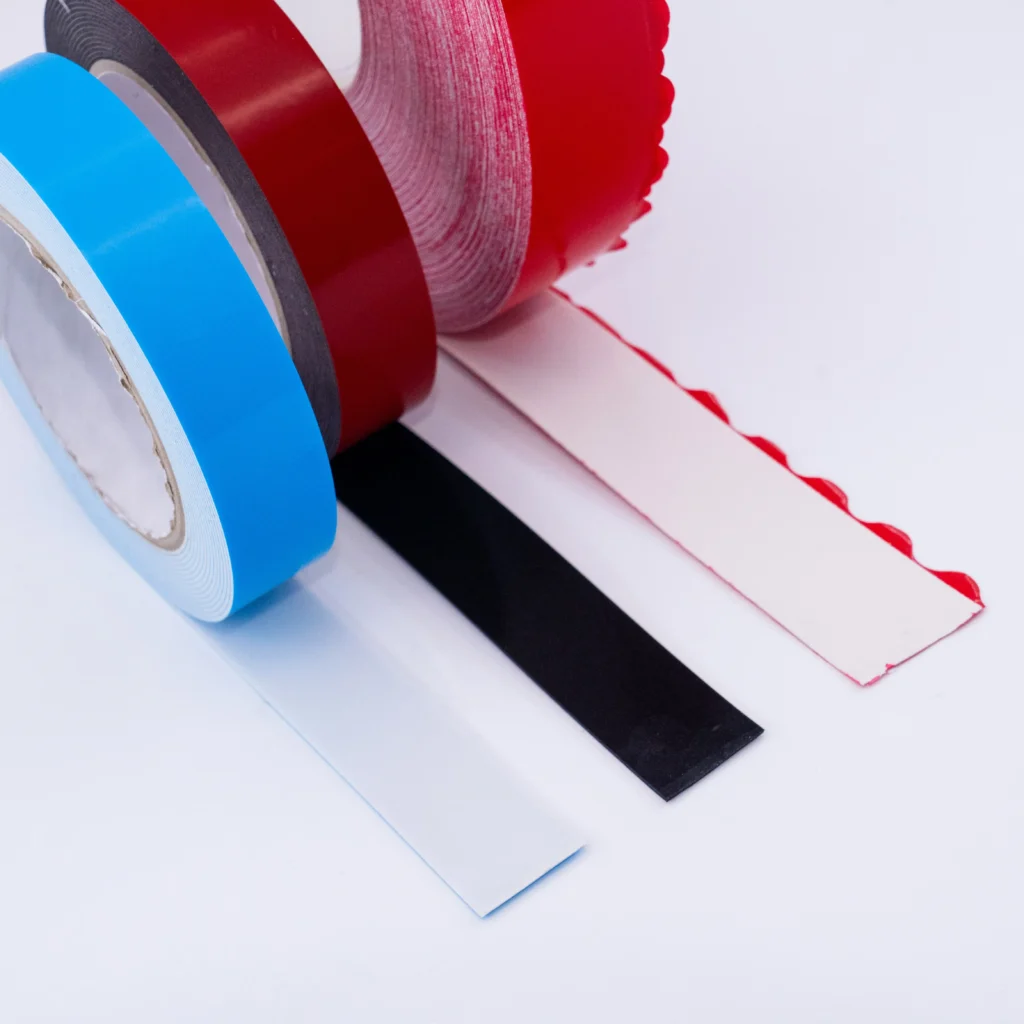
PE Foam Tape vs Acrylic Foam Tape: Which One Fits Your Joint
PE foam tape fills gaps and seals at low cost up to 90 °C; acrylic foam tape makes the structural bond for…
Read →Acrylic Foam Tape for Signage: Technical Selection Guide
A practical selection guide for acrylic foam tape in signage applications.
Read →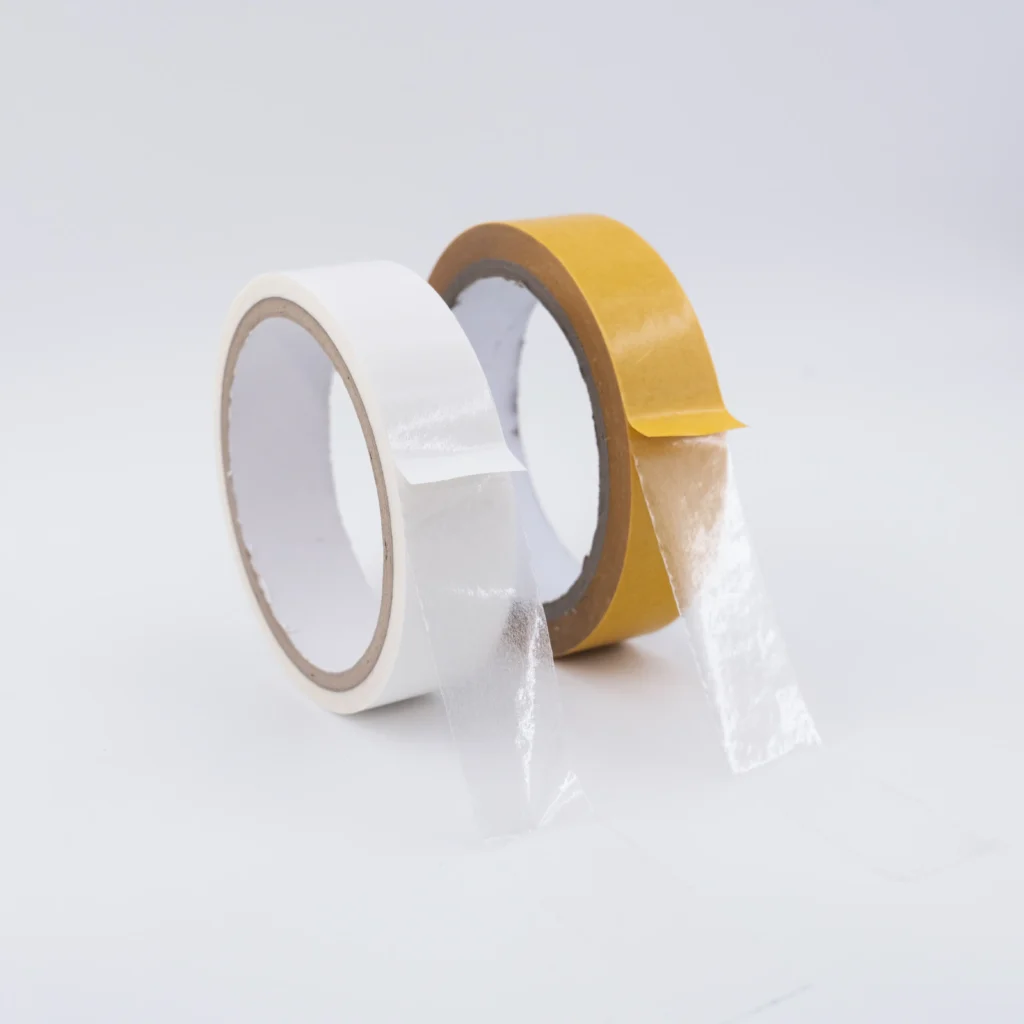
Substrate-Free (Transfer) Tape: When to Go Carrier-Less
Ultra-thin bonding for displays, nameplates and optics — plus the handling, shear-strength and converting trade-offs that come with no carrier film.
Read →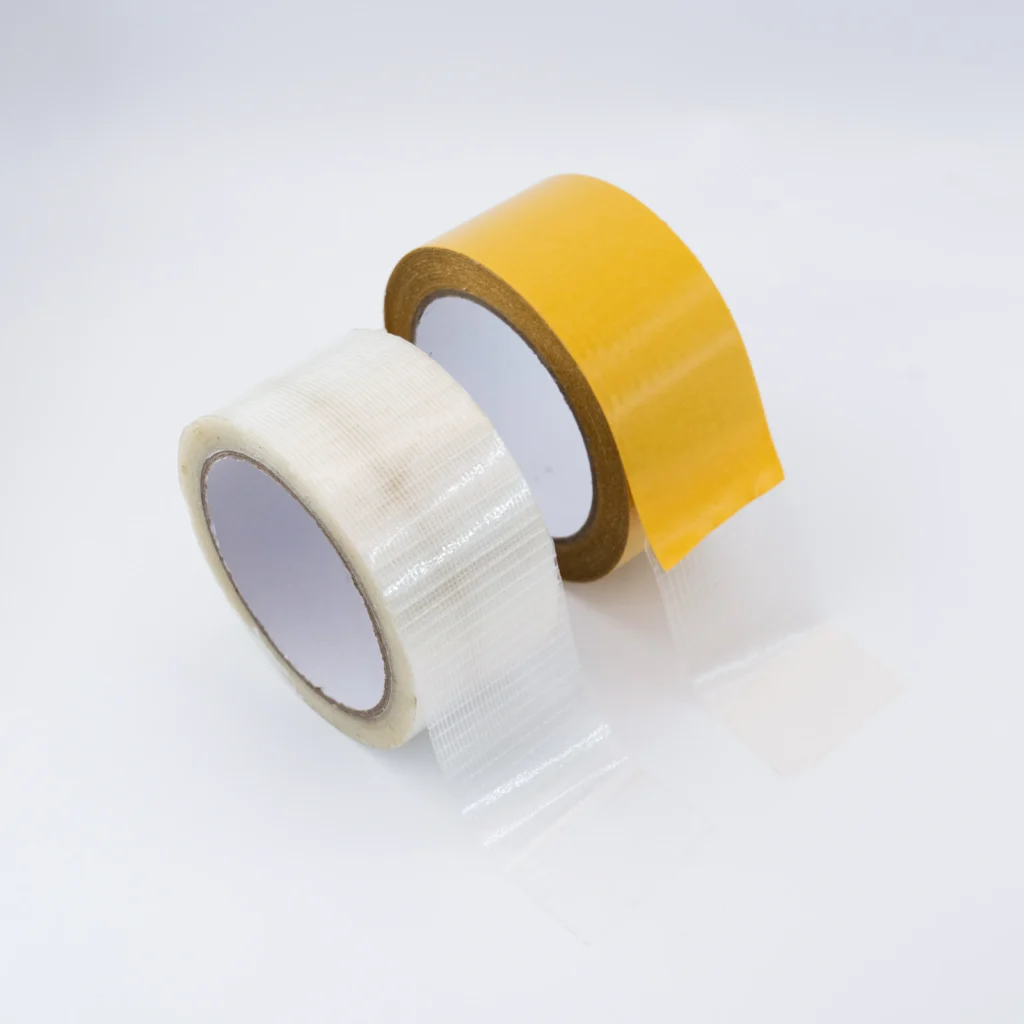
Surface Preparation: The Step That Decides Bond Strength
Cleaning, abrasion, primer and application pressure. Why most field failures trace back to preparation and process control rather than adhesive quality.
Read →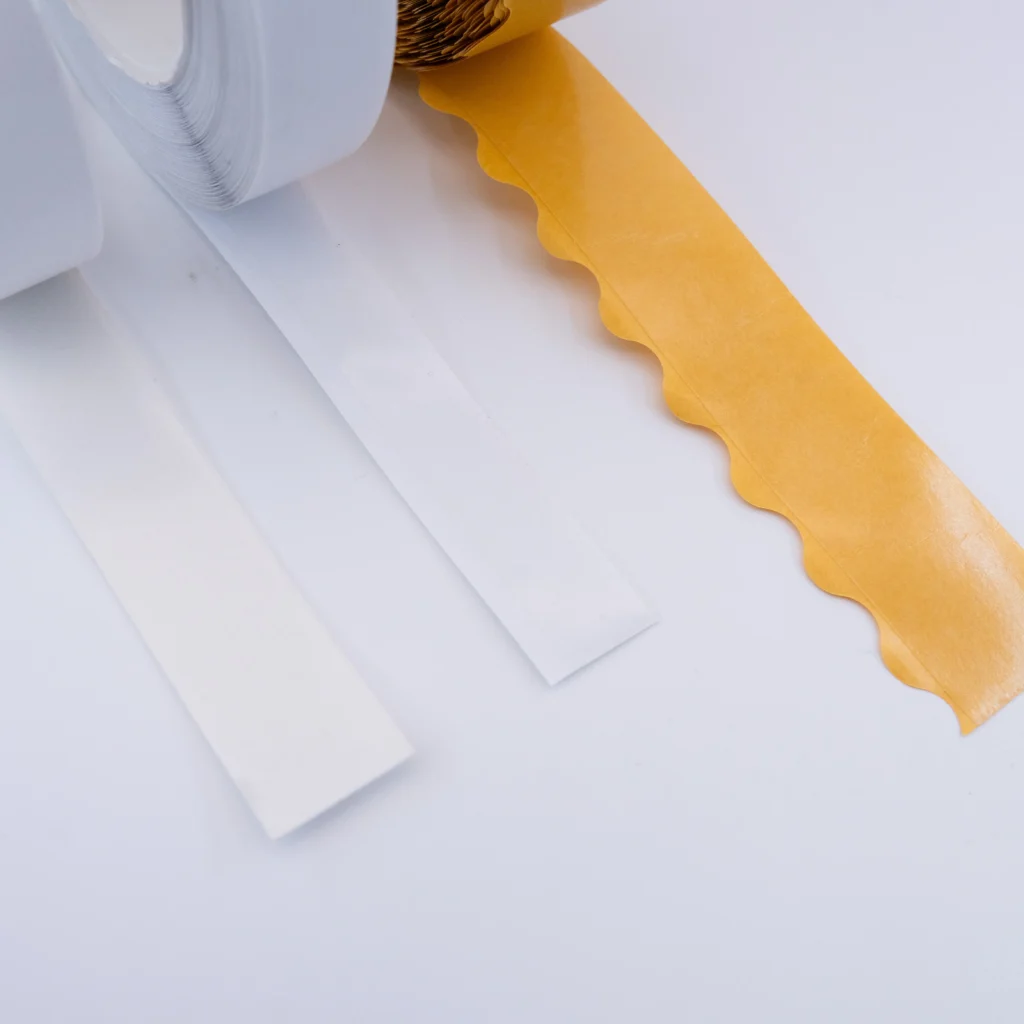
Low-Odor Tape for Automotive Interiors: VOC, Fogging and Cabin Air
What VDA 270 odor grading and fogging tests actually measure — and how to specify low-emission constructions for enclosed cabins and EV…
Read →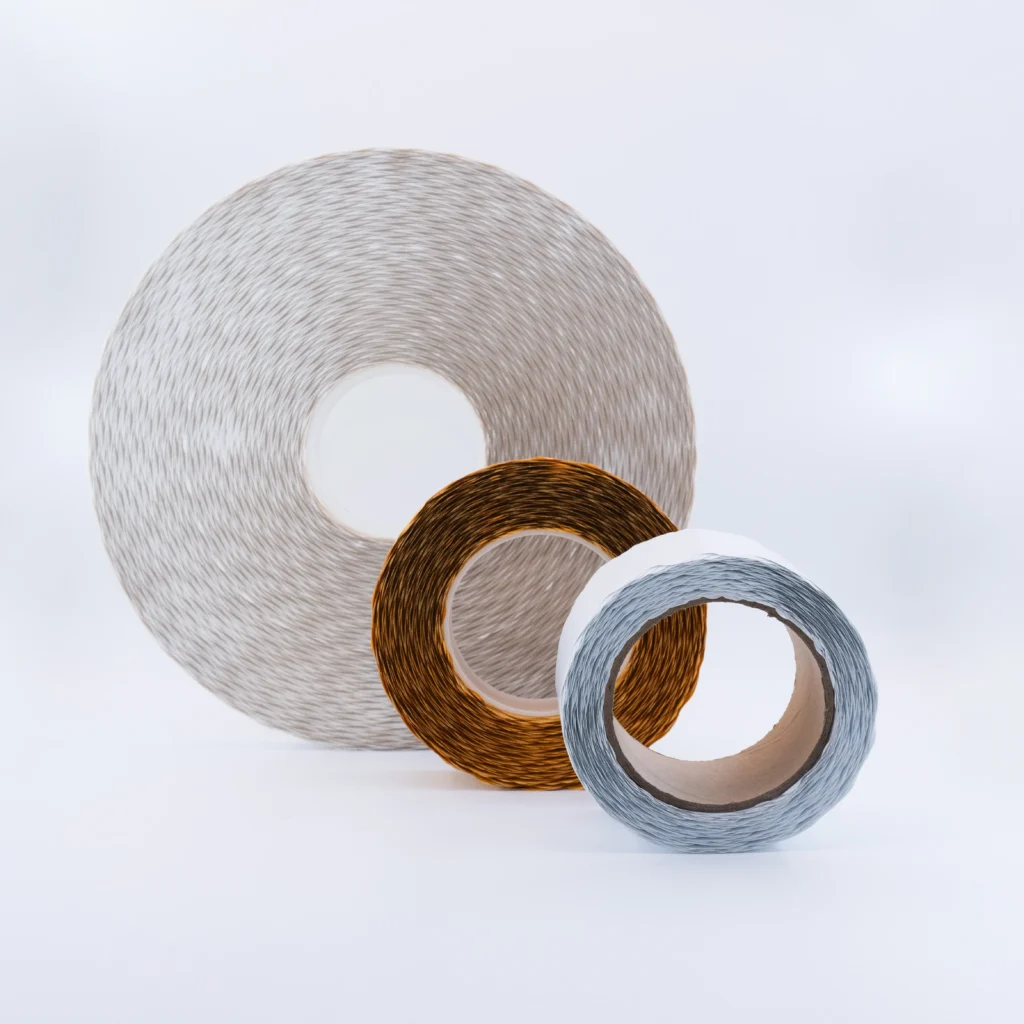
UL94 V-0 Explained: Specifying Flame-Retardant Tape for Battery Packs
Flame ratings, self-extinguishing behaviour and non-drip requirements in EV battery modules, electrical cabinets and other fire-sensitive assemblies.
Read →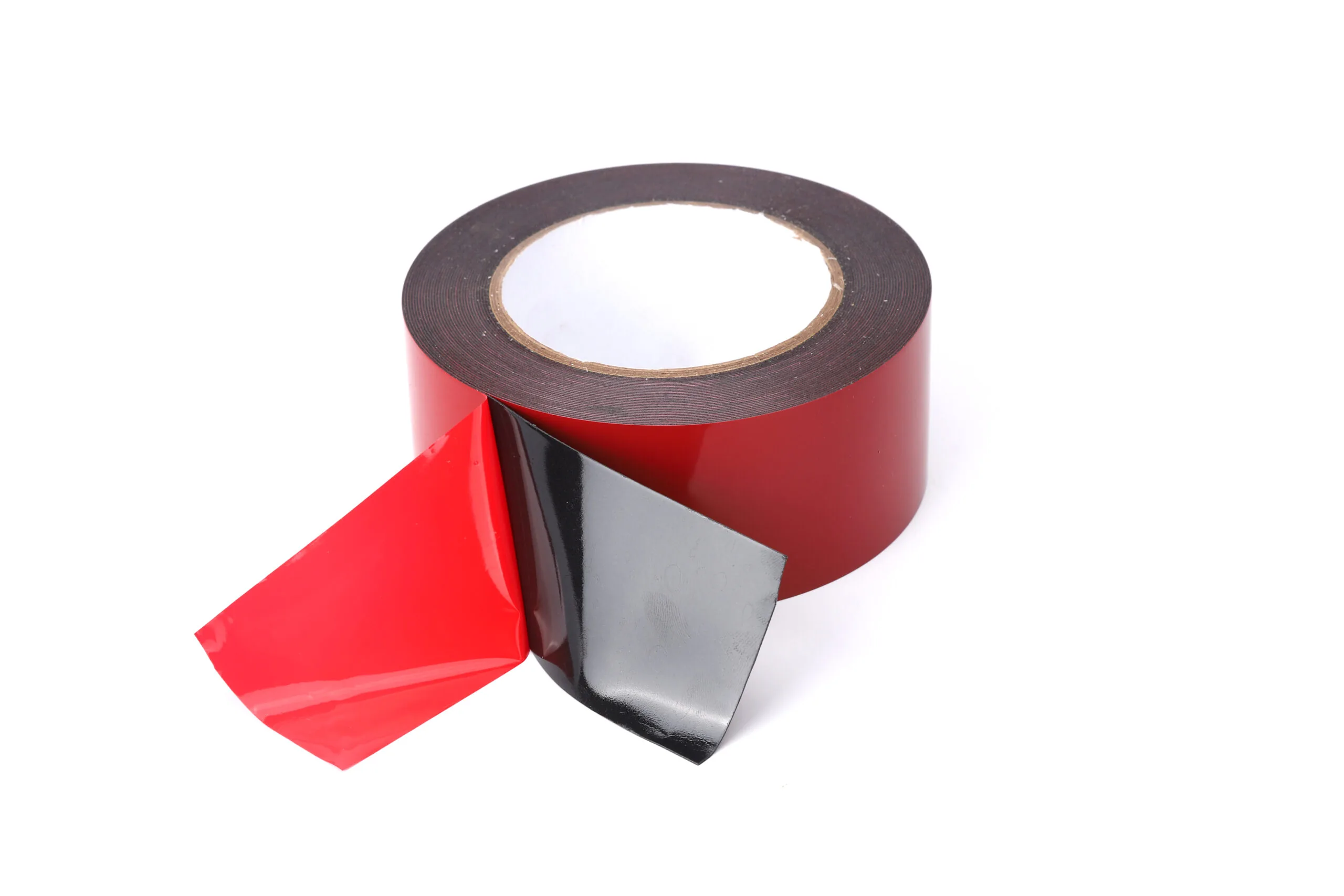
PE Foam vs EVA Foam Tape: Gap Filling, Compression and Recovery
Closed-cell PE for sealing and weatherability; soft EVA for cushioning and shock absorption. How density and thickness affect long-term compression set.
Read →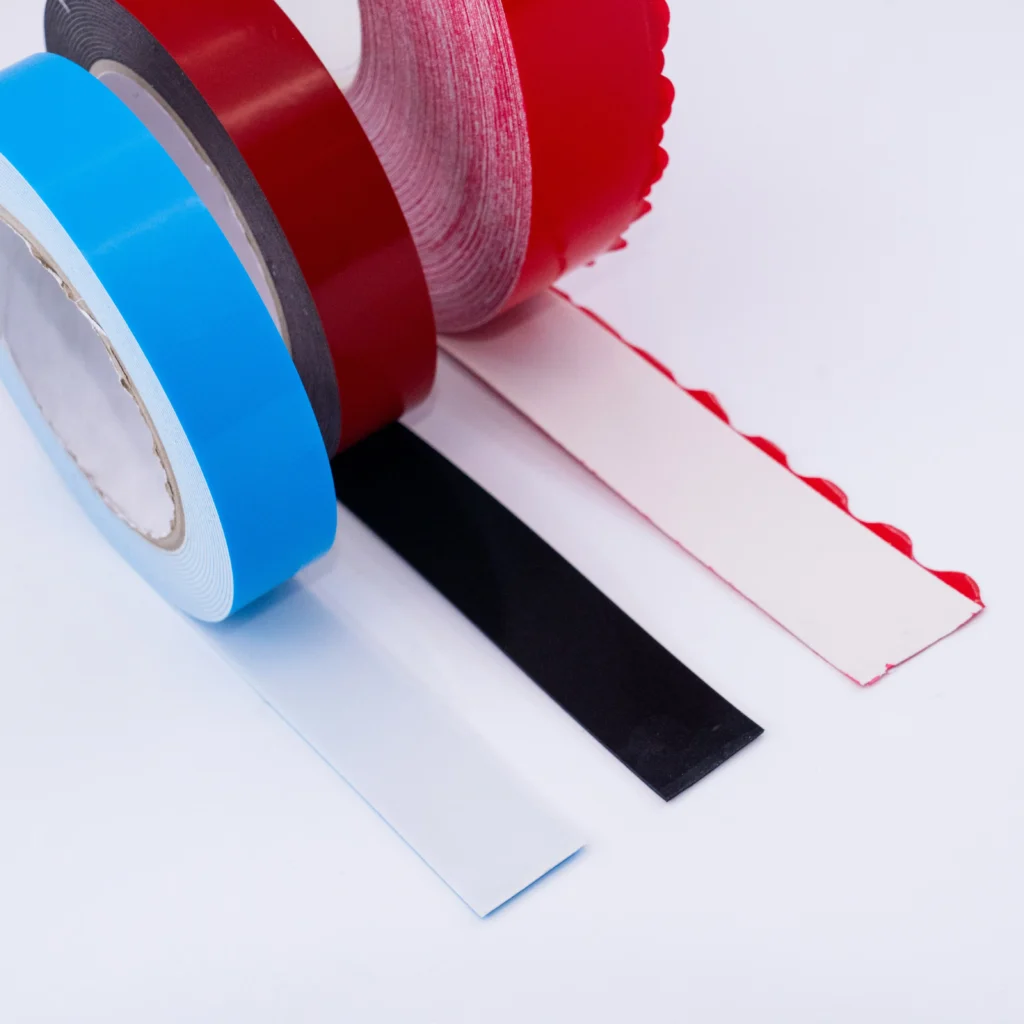
Foam Tape Thickness: How to Size the Gap Without Over-Specifying
Compression ratio, joint design and recovery over time. Why a thicker foam is not automatically a safer choice for uneven or moving…
Read →
Double Sided Tape for LSE Plastics (PP / PE): Why Standard Grades Fail
Low-surface-energy plastics resist wet-out from general-purpose adhesives. What primer, corona treatment and LSE-grade formulations change — and what to test before sign-off.
Read →
PET vs OPP vs PVC Carrier: Choosing a Film Backing
Dimensional stability, temperature resistance, conformability and die-cutting behaviour compared across the three most common film carriers.
Read →How to Choose the Right Double Sided Tape: A Practical Selection Guide
Surface energy, substrate, load direction and service temperature decide whether a bond holds. A step-by-step framework engineers and buyers can apply before…
Read →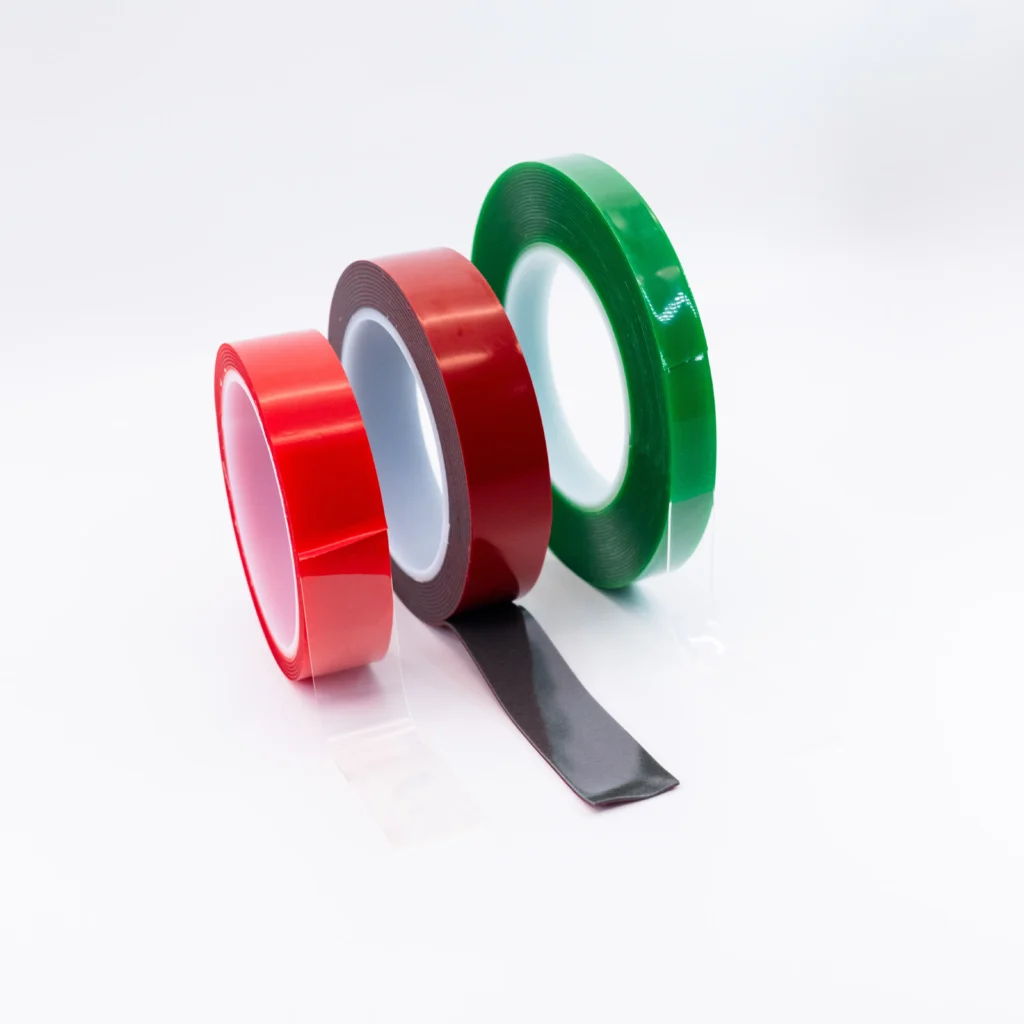
Acrylic vs Rubber vs Hot-Melt Adhesive: What Actually Changes
Aging resistance, initial tack, temperature range and cost compared across the three adhesive families — and how to match chemistry to your…
Read →Not sure which construction fits?
Send the substrate, service temperature and target size. We recommend a construction and send a sample before bulk.
- We review your specOne business day, by a technical contact — not a template reply.
- You get a confirmed constructionCarrier, adhesive, thickness, liner and price for your target quantity.
- Sample before bulkYou approve a physical sample before mass production starts.